
Neo Classical Criticism – Logos, pathos & ethos
Three persuasive factors can be used as part of neoclassical criticism: logos, pathos, and ethos. Logos is used to appeal to reason and is a single image that brings together the entire brand. It convinces the audience by using logic and reason. Pathos refers to appealing to emotion. It draws the audience in to help connect with the argument emotionally. Ethos can be broken down into three parts: good sense, good will, and good morals. It is the appeal to character, and convinces the audience of credibility. Using all three of these factors are modes of persuasion used to convince audiences.
In Grace and Frankie, I believe the use of the three persuasive factors are used often throughout the series. In particular, throughout every episode, humor and pathos is used, so I will be focusing on pathos, and how the audience can connect with both characters, Grace and Frankie. Although pathos is used throughout the entire series, I will be specifically referring to one episode.
In season one, episode three, “The Dinner,” the shock and humiliation from the break-up and discovery of their husbands is still very fresh (for everyone), and a family dinner is being held without Grace and Frankie present. This is the first family dinner that Robert and Sol are having as a gay couple together with all of their children in attendance. Separate conversations happen between Sol’s sons and Robert’s daughters in regards to the dinner:
Bud: “I feel weird.”
Coyote: “It’s all weird Bud. Our father, and his boyfriend are having their children over for dinner.”
Brianna: “If I’m going to this dinner, you’re going. And Mom can’t know about this! If you breathe one word about this to Mom, I will tell her who really killed dimples.”
Mallory: “What if she calls?!”
The children are all beginning to feel guilty as the dinner is hours away. They are feeling remorse because they feel as if they are going behind both of their Mothers’ backs. This conversation is an example of pathos, as we begin to feel the empathy that the children are having towards their Mothers, because we all realize that they (Robert and Sol) are the ones who lied and cheated for over 20 years to everyone about their relationship, so why should they attend this family dinner with their Dads. Bud, Coyote, Brianna, and Mallory all make it to dinner and seem to get through it in a civil manner, but then Bud goes into the kitchen (where Brianna is secretly taking sips of alcohol) and it becomes clear that this dinner should not be happening by Brianna and Bud’s conversation regarding their Dads being together:
Brianna: “Would you be cool with it, if they were cheating with women for the last twenty years?”
Bud: “I don’t know.”
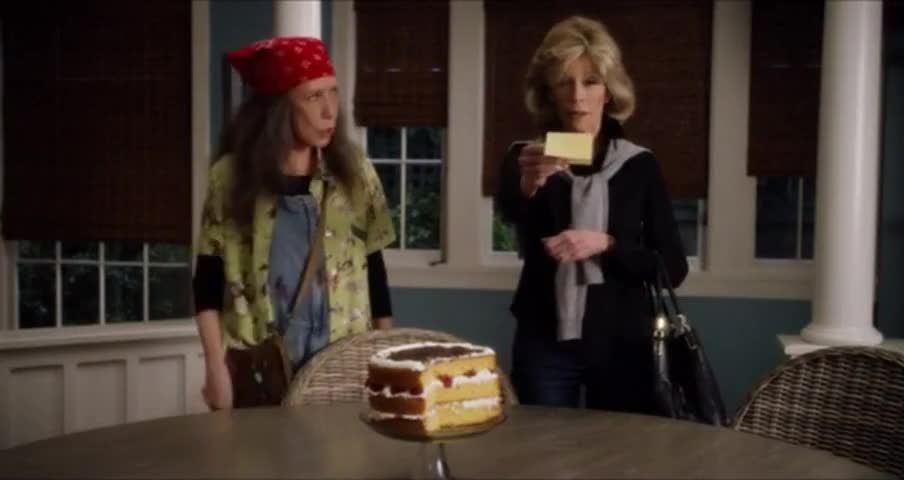
Brianna: “Please! There wouldn’t be cake. <Pointing to the cake that Bud is about to carry out back to the dinner table, for dessert.> There would be blood. Or bullets. Or something. For sure, we wouldn’t be talking about the chicken.”
Bud: “Do you think you’re the only one that’s having a hard time? Up until a week ago, I was under the impression that my parents loved each other, now I’m losing my family, I’m losing Jewish Christmas eve…”
Plenty of emotions are being present in this particular scene and conversation that is taking place between Brianna and Bud, and they realize that if Robert and Sol both cheated with women, none of them would be so supportive or present at this dinner. Here we begin to realize and see the discomfort with Sol and Robert being finally out in the open.The audience is being drawn in and connecting and able to relate in some sort of way with all these characters, whether if it’s feeling guilt for going behind your mother’s back and lying to her, having to go or see someone else go through a divorce, losing a loved one, having divorced parents yourself, family members coming out for the first time, cheating, being cheated on, etc. In the end, during dessert, the children all let their Dad’s here how they really feel about being there. They all are upset, angry, and hold nothing back. Bud says something in particular that really draws us in and makes us feel for Grace and Frankie at that moment:
Bud: “I am not even allowed to be mad!”
Sol: “Why not?”
Bud: “Cause you’re gay! If you were f@$*ing around with a woman for the last twenty years, we wouldn’t even be here, eating cake! <Stands up and picks up cake, and walks out.>. So we are not eating cake.”
The cake is a subtle dig at Robert and Sol, that they are “having their cake and eating it too.” It’s not about them being gay, but how they were selfish. Overall, this series is about navigating as older women, as they try dating, find direction, and go through the frustrating details of divorce, all with using both humor and pathos. The children play an important role in this series and in this episode in particular, the audience gets drawn into how Grace and Frankie are feeling, and also everyone else as well.
 Loni’s 142 Blog
This blog post went really well into detail of the story. I enjoy reading your personal takes on the ethos, pathos, and logos and feel like you’ve explained it thoroughly. Your conclusions are getting stronger. Keep up the good work!
LikeLike
The scene that you selected contained lots of emotion which was ideal for analysis through a neoclassical lens. I like the connection that you made between the struggles the characters were going through and what the audience has likely also experienced. That is an element of pathos that often goes overlooked. Pathos isn’t always a blatant appeal to emotion, but it is also something the audience just feels they can relate to. It was effective how you ended the post with making conclusions about what the cake (a clear symbol in this case) truly meant based on your neoclassical analysis.
LikeLiked by 1 person
This could have been made stronger if you had included the source of your method information at the beginning, but other than that keep up the good work!
LikeLiked by 1 person
This is a powerful scene, and a good choice for analysis. Your use of dialogue as evidence is really helpful here.
For revision: ethos is NOT credibility, it’s about character (the translation to “credibility” is grounded in a misunderstanding of the Greek word phronesis, which is about common sense). So take that bit out. And in logos, the bit about pulling the brand together? That was an example of how a logo for a company is an example of logos (it’s also an example of synecdoche!). 🙂 So you can adjust those during the revision stage later in the term.
Your analysis is solid, and you support it well. One more layer to go: do you think it works? Does this way of appealing to guilt, remorse, complexity in dynamics, etc. move the audience? Does it move you? You have the evidence to explain why (or not — although I suspect you find it compelling based on what you have here). Just state your claim overtly, and connect these details to it.
Nice work here!
LikeLiked by 1 person